
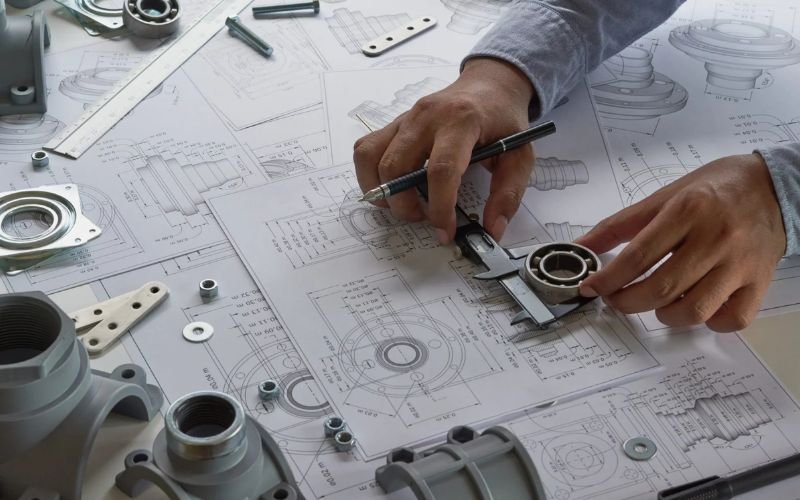
Successful construction isn’t just about great design – it’s about seamless integration between architectural layouts, structural elements, and MEP (Mechanical, Electrical, Plumbing) systems. This process, known as MEP coordination, makes certain that mechanical systems, electrical systems, and plumbing systems fit together without conflicts, delivering a safe, efficient, and code-compliant building. This leads to major cost savings, better timelines, and streamlined processes. However, achieving this effective integration presents challenges and requires a detailed appreciation of MEP coordination. Here, we provide insights into mastering MEP coordination in such architectural designs.
Why MEP Coordination Is Important in Architectural Designs
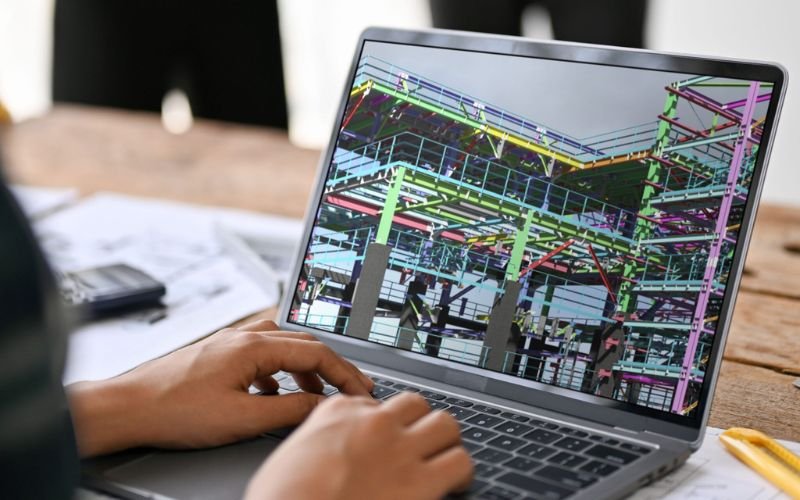
MEP coordination in architecture is about aligning building systems with the architectural and structural framework to avoid clashes and conflicts during construction. In complex architectural projects, MEP coordination is indispensable. It helps maintain the functionality, safety, and comfort of a building. The goal of MEP coordination is to prevent conflicts and clashes between various building systems. Without it, you risk:
- On-site rework due to system overlaps.
- Project delays caused by last-minute design changes.
- Code compliance issues with Florida’s building codes and energy regulations.
- Higher costs from wasted materials and labor inefficiencies.
In West Palm Beach, local projects must also account for hurricane resilience, flood elevation standards, and sustainability requirements, making precise coordination even more significant.
Also read: Beam and Column Detailing: The Backbone of Safe and Efficient Structural Design
Best Practices for Effective MEP Coordination
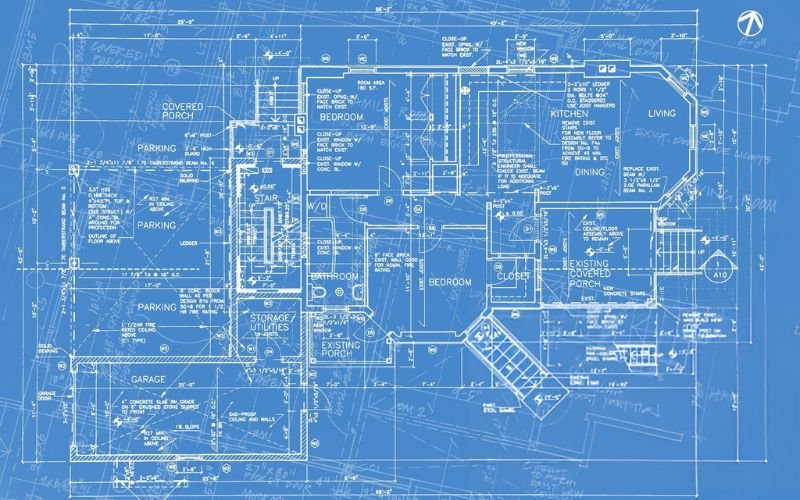
As architectural designs grow more complex, integrating Mechanical, Electrical, and Plumbing (MEP) systems becomes increasingly important. Effective MEP coordination is key to making certain that all systems operate in unison and any potential conflicts are identified early during the design phase.
1. Start Early in the Design Process
Early-stage integration allows project stakeholders, architects, MEP engineers, and structural designers to align their plans before major investments are made. Key considerations include:
- Floor-to-ceiling clearances to accommodate ductwork, piping, and electrical conduits.
- Routing strategies for HVAC, plumbing, and wiring that avoid structural obstructions.
- Load analysis to make certain structural systems support heavy mechanical equipment.
- Space allocation for mechanical rooms, risers, and equipment access zones.
2. Leverage BIM Technology for Seamless Integration
BIM (Building Information Modeling) advances MEP coordination by allowing 3D modeling, clash detection, and virtual prototypes of your project before a single brick is laid. At DrawingsTech, we use BIM technology to:
- Detect clashes between building systems in real time.
- Simulate energy modeling and performance analysis for sustainable designs.
- Optimize routing for ducts, pipes, and conduits to improve constructability.
- Provide accurate data for facility management after project completion.
For large-scale projects in West Palm Beach, such as commercial towers, multi-family residences, and healthcare facilities, BIM guarantees every mechanical, electrical, and plumbing system works in harmony.
View our Areas of Expertise
3. Establish Clear Drawing Standards and Collaboration Protocols
Consistent documentation is the backbone of smooth MEP integration. We recommend:
- Using standardized CAD layers and naming conventions.
- Implementing version control to track design changes.
- Sharing models in real time for stakeholder collaboration.
- Including laser scanning data for existing structures in retrofit projects.
Common Challenges in MEP Integration and How to Overcome Them
Incorporating MEP systems into complex architecture involves multiple challenges. The network of pipes, wires, and ducts demands precise spatial coordination techniques. Each system’s unique needs call for a thorough understanding of space considerations, load capacities, and safety standards.
- Ceiling Space Conflicts: Multiple systems competing for limited space. One must allocate zones in early design stages and adjust routing accordingly.
- Structural Interference: Beams or columns obstructing ducts and piping. Coordinate with structural engineers on placement before finalizing layouts.
- Code Compliance Gaps: Systems failing to meet fire safety, ventilation, or accessibility standards. The engineering team must perform code checks during every design iteration.
- Performance Inefficiencies: Poor routing leading to increased energy use. Conduct system optimization using BIM and load analysis tools.
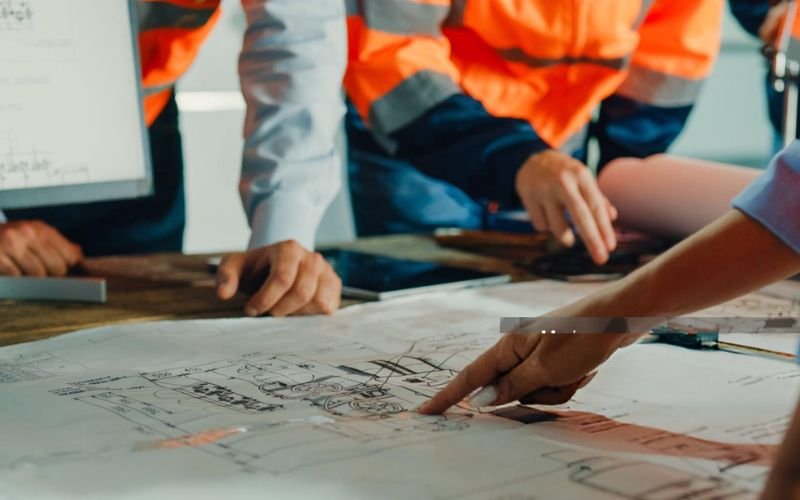
Various disciplines, including architects, engineers, and contractors, must collaborate. Coordinated efforts help align different priorities and systems, leading to a unified system design. Consultant drawing reviews and structural plan analyses are critical in this workflow.
Also read: Avoiding Construction Site Errors through Accurate Structural Plans
The Benefits of Successful MEP Coordination
Effective MEP design coordination provides numerous advantages. Smooth integration makes sure of optimal placement of components, reducing spatial limitations and improving building infrastructure design. Additionally, integrated systems support energy efficiency with energy-saving technologies.
- Clash-free construction for fewer delays and disputes.
- Improved space utilization without compromising system performance.
- Energy efficiency through optimized routing and load balancing.
- Sustainability compliance aligned with modern building standards.
- Cost savings from reduced rework and material waste.
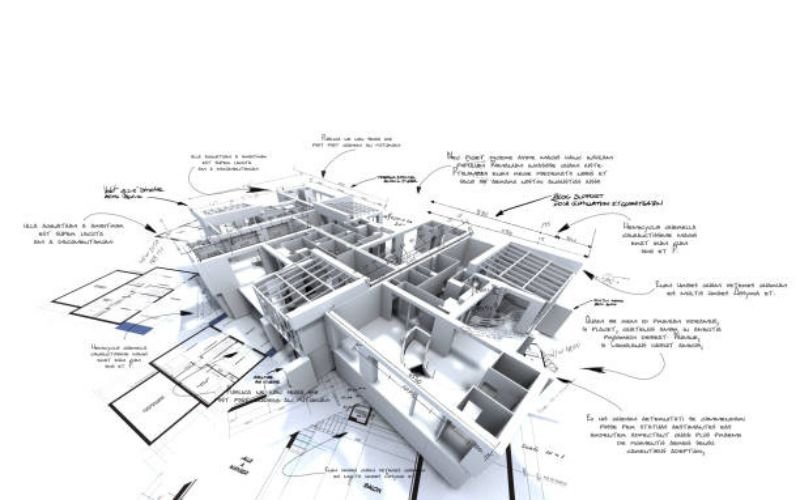
Successful coordination reduces construction delays and resolves construction issues, improving the safety and comfort of building occupants. Mastering MEP coordination is an fundamental aspect of modern architecture, making sure operational effectiveness, improved timelines, and sustainability.
Partner with DrawingsTech for Expert MEP Coordination in West Palm Beach
MEP coordination is more than just connecting systems – it’s about making sure every element of your design works together in harmony. At DrawingsTech, we specialize in Architectural Drafting West Palm Beach and MEP drafting services that guarantee seamless integration, constructability, and compliance with local building codes.
DrawingsTech has helped architects, engineers, and contractors in West Palm Beach achieve clash-free, fully integrated designs that maximize space utilization, save cost on energy bills, and improve constructability. Contact us today to learn more about how our MEP coordination services can streamline your project and make sure its success from design to construction. Let us help you create a building that not only meets your needs but also exceeds your expectations in terms of functionality and performance.
Also read: Delivery Design Palm Springs – Smarter Way to Approach Architecture
Final Word
MEP coordination optimizes space utilization, ensures adherence to building codes and regulations, and prevents legal issues. By combining BIM technology, technical expertise, and a collaborative approach, it leads to a safe, efficient, and sustainable building in West Palm Beach’s unique environment.