

Construction site errors – even minor ones – can cause major problems with building safety, budgets, and timelines. From simple home projects to large commercial builds, getting the accurate structural plans right from the start is the key to keeping the project on track.
One of the biggest questions developers and contractors have is: How do smart structural designs help avoid costly mistakes during construction?
The answer is straightforward: accuracy and attention to detail from day one.
Let’s take a close look at a real-world scenario, practical fixes, and why getting accurate structural plans matters more than ever.
Why Accurate Structural Plans Matter
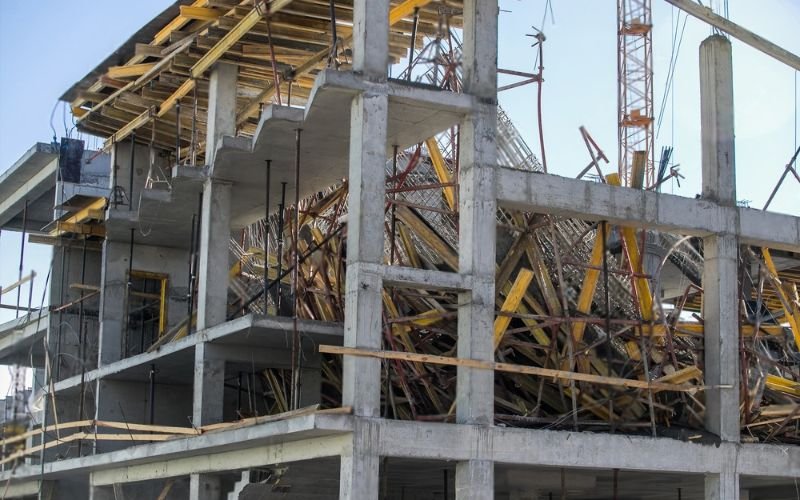
Structural plans are more than just technical drawings – they are the playbook that keeps every part of the project moving in sync. When these plans are found not to be accurate, mistakes on-site are inevitable.
- Stopping Structural Failures Before They Start: Detailed and accurate structural plans make sure every part of the building – from footings to steel connections – is measured and placed correctly. Getting this wrong can lead to unsafe buildings, expensive rework, and, in the worst cases, lawsuits.
- Keeping Everyone on the Same Page: Detailed and accurate structural plans make sure architects, engineers, contractors, and site crews are all working from the same instructions. This avoids costly misunderstandings on-site.
- Saving Time and Money on Materials: When the plans are spot-on, material quantities are exact, helping avoid waste and keeping the budget in check.
- Meeting Building Codes Without Hassle: Up-to-date, accurate structural plans make it easier to pass inspections and meet local building rules.
- Avoiding MEP and Structure Clashes: Mistakes often happen when structural and MEP systems overlap or clash. With clean, correct plans, these issues are caught early in 3D models, saving weeks of headaches on-site.
- Speeding Up the Approval Process: Clear, professional plans get quicker approvals from city officials, so the project starts on time.
Also read: Beam and Column Detailing: The Backbone of Safe and Efficient Structural Design
Common Types of Construction Site Errors
- Misaligned beams and columns
- Foundation layout mistakes
- Skipped reinforcements in key areas
- Floor levels drawn wrong
- MEP and structure fighting for space
- Wrong assumptions about load paths
- Disconnect between design and site teams
Also read: What are MEP Drawings in Construction, and What is their Significance?
Case Study: Hyatt Regency Walkway Collapse (Kansas City, 1981)
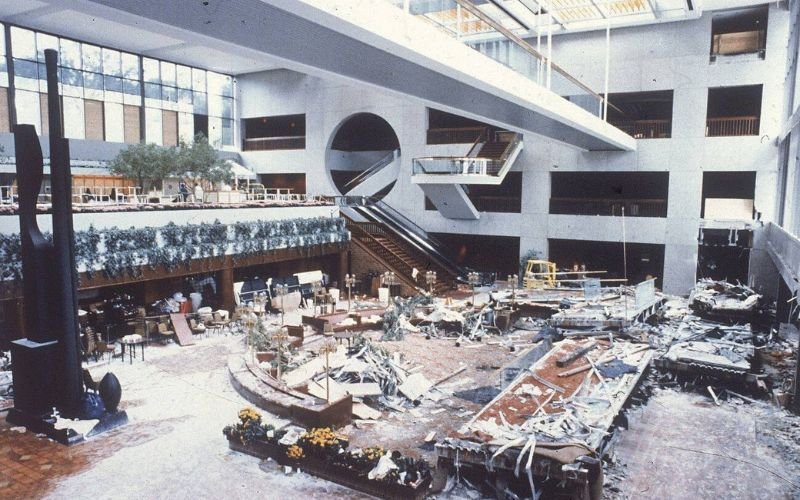
The Mistake
One of the most infamous structural design errors in U.S. history happened during the construction of the Hyatt Regency Hotel in Kansas City, Missouri, where a change in the structural drawings – made without a full structural review – led to a catastrophic failure.
In the original plan, the walkways were to be suspended from the ceiling by continuous rods that would distribute the weight evenly through both skywalks.
However, during construction, a seemingly minor change was made to the connection details:
- Instead of one continuous rod supporting both walkways, the design was changed to two separate rods – one holding the upper walkway and a second rod holding the lower walkway from the upper one.
- This meant the upper walkway now carried double the load it was originally designed for.
Also read: Mastering MEP Coordination: How to Seamlessly Integrate Architectural, Structural, and Building Systems
The Consequences
On July 17, 1981, during a crowded tea dance event, the upper walkway collapsed onto the lower one, which then collapsed onto the lobby floor.
- 114 people died, and over 200 were injured.
- It was the deadliest structural collapse in U.S. history at the time, excluding terrorist attacks.
Root Cause
- The error happened due to a change in the shop drawings made by the fabricator, which was then approved without recalculating the structural load properly.
- The connection that failed was a detail-level change that didn’t seem serious on paper, but structurally it was a fatal mistake.
[Source: Hyatt Regency Walkway Collapse | Online Ethics. (n.d.). https://onlineethics.org/cases/hyatt-regency-walkway-collapse]
How Was It Fixed?
1. Nationwide Overhaul of Connection Detailing and Shop Drawing Review Process
- After the collapse, engineering standards across the U.S. were re-examined.
- New guidelines were introduced, mandating thorough reviews of all shop drawings and connection changes by structural engineers – not just architects or contractors.
- Fabricators were no longer allowed to make field changes to critical structural elements without full engineering sign-off.
2. Building Code Changes
- The incident led to stricter AISC (American Institute of Steel Construction) guidelines on load path verification and redundancy in design.
- Building codes now require more transparent documentation of load paths and connection calculations – especially for suspended elements.
3. Industry-Wide Culture Shift
- The Hyatt disaster highlighted the danger of assuming connection details are “minor.”
- It triggered an industry culture shift where details were treated as equally important as overall design, and coordination meetings became standard practice between architects, engineers, fabricators, and contractors.
Straightforward Best Practices to Avoid Construction Site Errors
- Start coordination while designs are still being drafted.
- Use 3D modeling tools to spot conflicts early.
- Hold weekly site and design reviews.
- Keep communication open between designers, engineers, and contractors.
- Stick to clean drawing standards and organized layers.
- Update structural calculations regularly – don’t rely on early drafts.
- Share updates with everyone on the project team.
Also read: Delivery Design Palm Springs – Smarter Way to Approach Architecture
The Bottom Line: Precision is Non-Negotiable
In construction, precision isn’t a bonus – it’s the foundation. Errors on-site don’t just eat into budgets – they delay permits, cause safety risks, and harm your reputation. By prioritizing accurate plans, early coordination, and open communication, you can avoid the kind of construction site errors that throw projects off course.
DrawingsTech is a trusted name in architectural design and structural planning services. They are well aware of the fact that precise planning and execution make the difference between smooth sailing and costly mistakes. Alongside their Architect West Palm Beach team, they help clients spot and fix common errors before they escalate. The team works hard to create designs that are easy to build, free of clashes, and avoidable mistakes.
Don’t gamble with your project’s future. Work with pros who take the time to get it right. Whether you are planning a new project, need design reviews, or want to fix existing plans, DrawingsTech can help you stay one step ahead of costly errors.
Talk to our team today about how we can support your next project.